Labels, in both senses
The Label
“Label” means two things in records: the paper circle in the middle of the disc and the company whose name is printed on it.
The paper in the middle
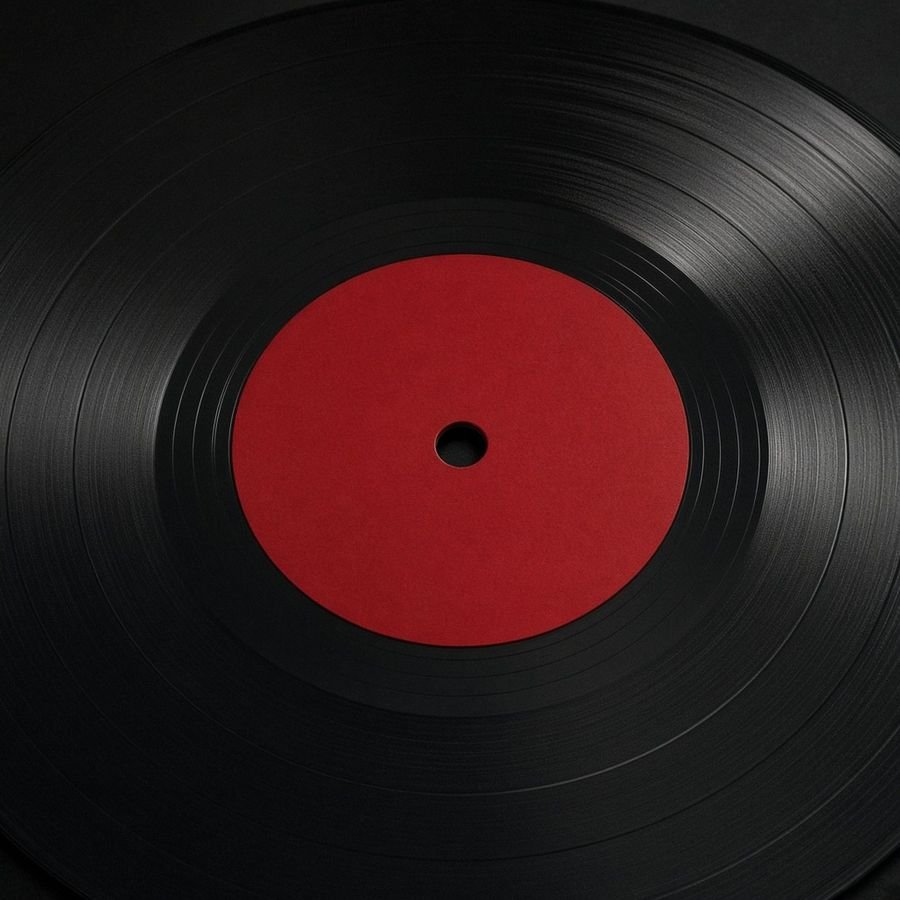
Centre labels are printed paper discs pressed into the record at the same moment as the grooves. They gave the title, the artist, the side and the playing speed, and soon became a place for each company’s colours and logo.
Reading a label
Collectors use label designs to date pressings: changes in colour, rim text, logos, typefaces and the wording about rights and manufacture can separate a first pressing from a later one.
Majors and independents
For much of the twentieth century a few large companies owned the presses, studios and distribution. Independent labels, often run from a shop, a flat or a back room, released music the majors overlooked and developed strong visual identities of their own.
Catalogue numbers
Every release got a catalogue number, printed on the label and the spine. Some independents turned the system into a game, numbering posters, films and even buildings.